








Faith, Nature & Timeless Stories
3 day
13 Destinations
Highlights
- Ancient Temples: Rahila Sagar Sun Temple, Khakramath Temple, Chandika Devi Temple, Govardhan Nath Ju Mandir.
- Scenic Lakes & Reservoirs: Kirat Sagar, Madan Sagar, Belatal (Belasagar), Sapt Sarovar.
- Spiritual Sites: Ram Kund, Shringi Rishi Ashram, Majhari Dweep with ancient ruins.
- Unique Experiences: 24 Jain Tirthankar rock engravings, Gorakhgiri Parwat's stacked stone formations.
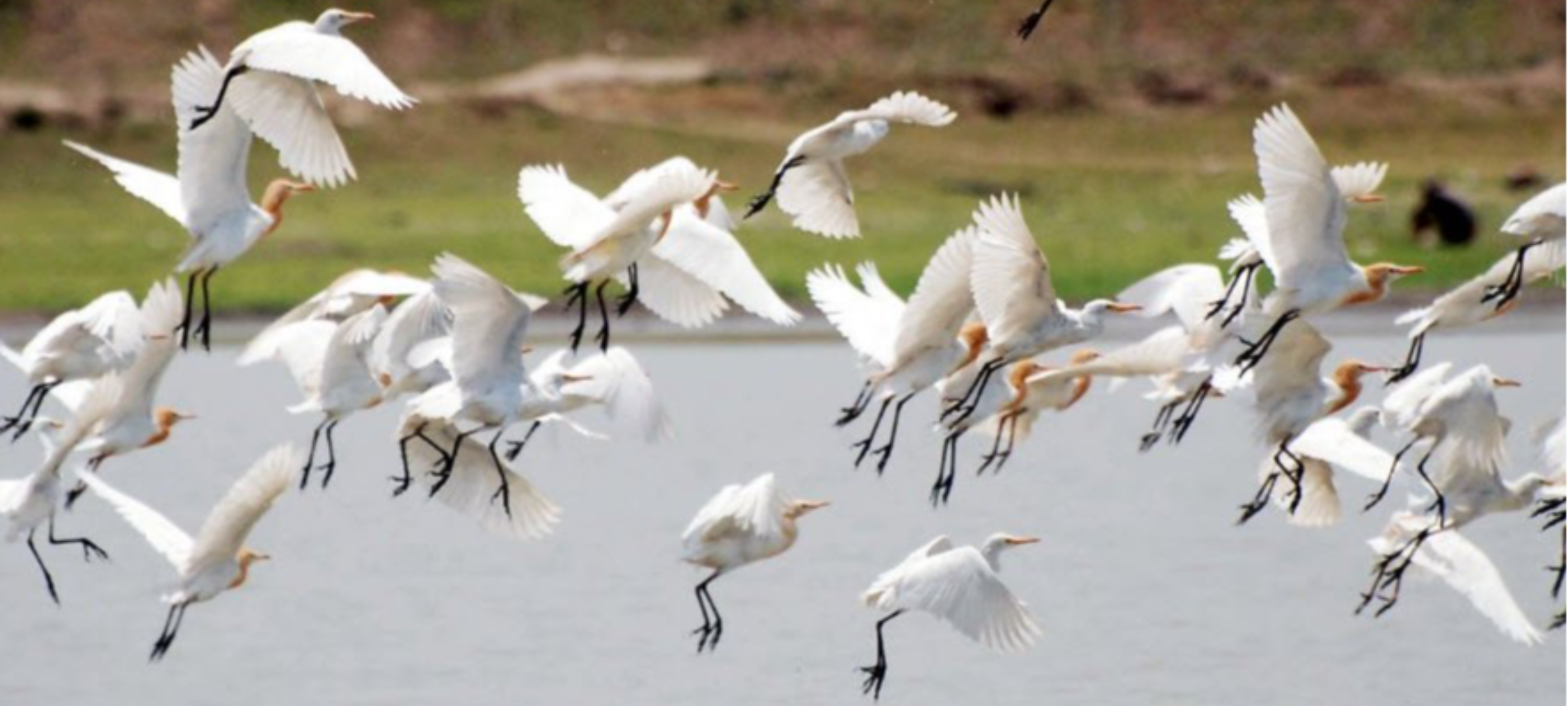
- Nature & Wildlife: Vijay Sagar Pakshi Vihar, a sanctuary for migratory birds.
- Cultural Towns: Charkhari, the “Kashmir of Bundelkhand” with 108 temples and historic water systems.
Description
This 3-day journey through Mahoba and Charkhari offers a harmonious blend of history, spirituality, and nature. Explore 9th-century temples and sacred kunds, marvel at Chandela-era lakes and reservoirs, and wander through Charkhari's temple-studded town. From the healing waters of Ram Kund to the vibrant birdlife of Vijay Sagar Pakshi Vihar and the dramatic sunsets over Vindhyan hills, every step reveals the timeless heritage and living traditions of this region.

Morning
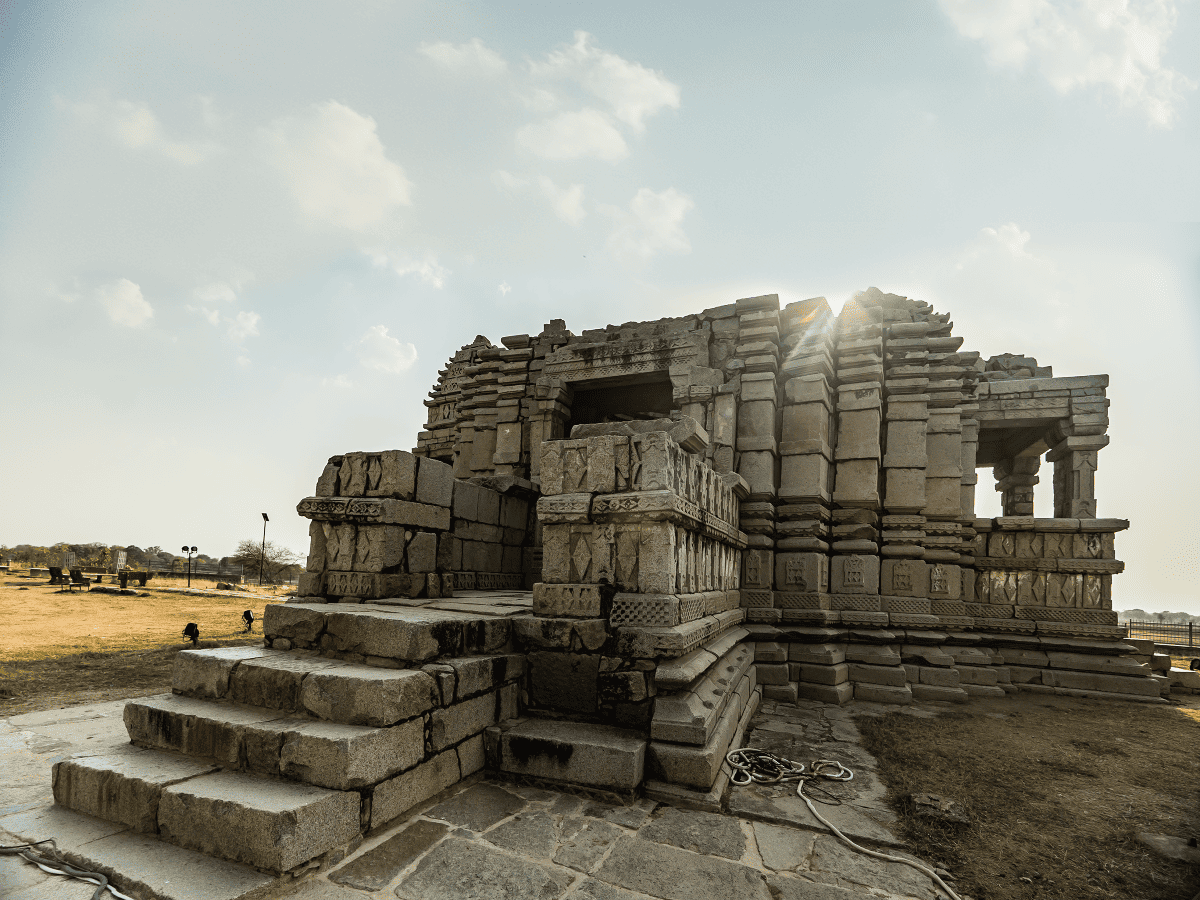
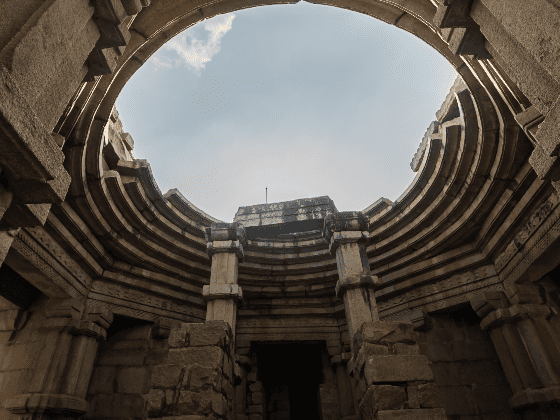
- Rahila Sagar Sun Temple: A 9th-century granite temple on the bank of the artificial lake Rahila Sagar, a symbol of Pratihara-style Design.
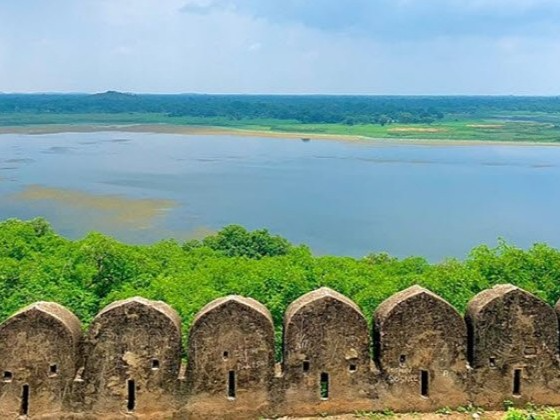
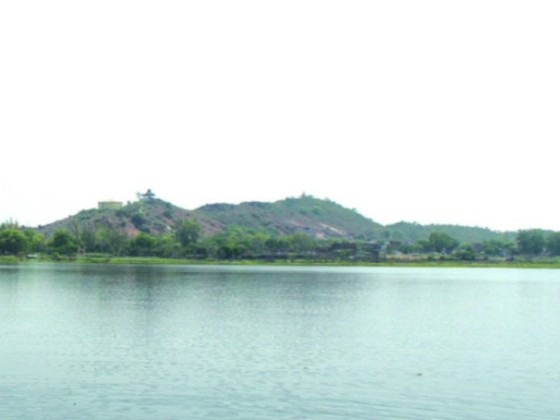
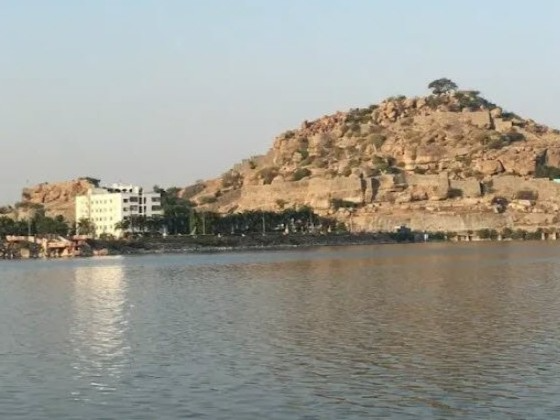
- Kirat Sagar Lake: A picturesque lake built by Chandela King Kirti Varman between 1060 and 1100 AD, known for its granite steps and embankments.
Afternoon
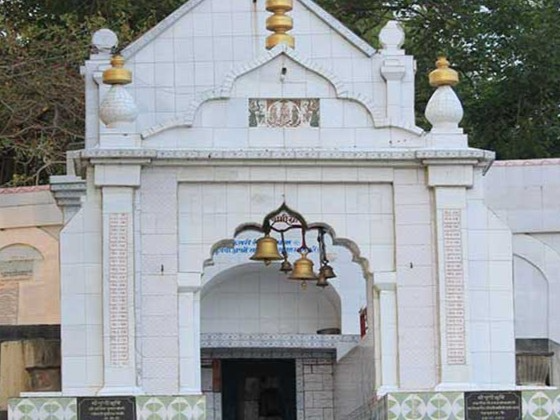
- 24 Jain Thirthankar and Chandika Devi Temple (Choti and Badi both): 24 Jain Tirthankar idols engraved on rocks, and Chandika Devi Temple is revered as the Guardian Goddess of Mahoba.
Evening
- Sunsets at Belatal Lake (Kulpahad): The Belasagar Sarovar is a historic artificial lake that exemplifies the Chandela rulers' focus on water conservation and irrigation systems. It is part of a broader tradition of creating reservoirs and step-wells in the arid Bundelkhand region.
Morning
- Kakramath Temple: A 9th-century granite temple on the bank of Madan Sagar Lake, a symbol of Chandela Architecture.
- Madan Sagar Lake: A picturesque lake built by Chandela King Madan Varman between 1129 and 1163 AD.
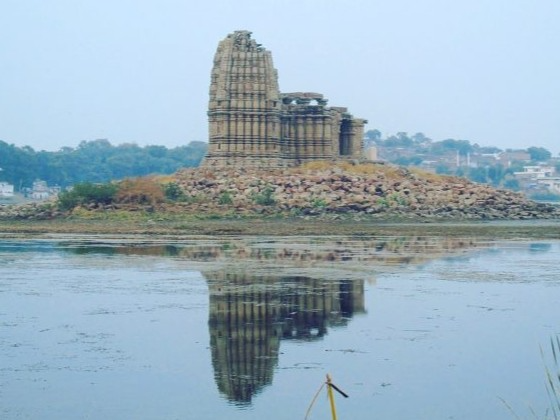
- Majhari Dweep: In the middle of Madan Sarovar lie the ruins of an ancient temple, reflecting the historical and religious significance of the lake — a silent witness to the heritage and artistry of Bundelkhand.
Afternoon
- Shringi Rishi Ashram (Kharela-Charkhari): A revered site dedicated to Sage Shringi Rishi (Rishyasringa), a significant figure in Hindu mythology.
Evening
- Sapt Sarovar: During the Riyasat period, Charkhari was renowned for its advanced water management system, exemplified by the presence of seven interconnected lakes, locally known as the Saat Sarovar.
- Govardhan Nath Ju Mandir: Referred to as the "Vrindavan of Bundelkhand," this temple is dedicated to Lord Krishna and holds significant religious and cultural importance in the region.
Morning
- Gorakhgiri Parwat: A Vindhya hilly terrain formation resembling "Teepo Khel (Game of Dots/Drop Game)", huge stones stacked one on top of another, around 1000 feet high.
Afternoon
- Ram Kund: Natural kund (water tanks) found in hilly spiritual sites are associated with healing lore due to the herbal runoff from the surrounding forest and rocks, which can have mild antiseptic or mineral-rich properties.
Evening
- Vijay Sagar Pakshi Vihar: Famous for being a sanctuary for migratory birds, it attracts a variety of bird species during their seasonal migrations.
Travel Tips
- Best Time to Visit: October to March.
- Transport: Local auto-rickshaws, hire a car for remote places.
- Language: Hindi and Bundeli.
- Souvenirs: Gaura Stone handicrafts.
- Lunch / Dinner Suggestion: Local restaurants, such as Bundeli Swad, Hundred Palms, and RRC Hotel (one of the most popular restaurants in Mahoba for Bundeli Thali).
- Stay Suggestion: Hundred Palms, RRC Hotel, Hotel Awadh, Jaish Hotel, 7 Apple Hotel, Meera Heritage, etc.
- Experiences: Mahoba is the birthplace of Alha Gayan, where almost every home has an artist who sings Ballads of Veer Alha and Udal. Mahoba is also known for its betel leaf cultivation, Paan Badeja.